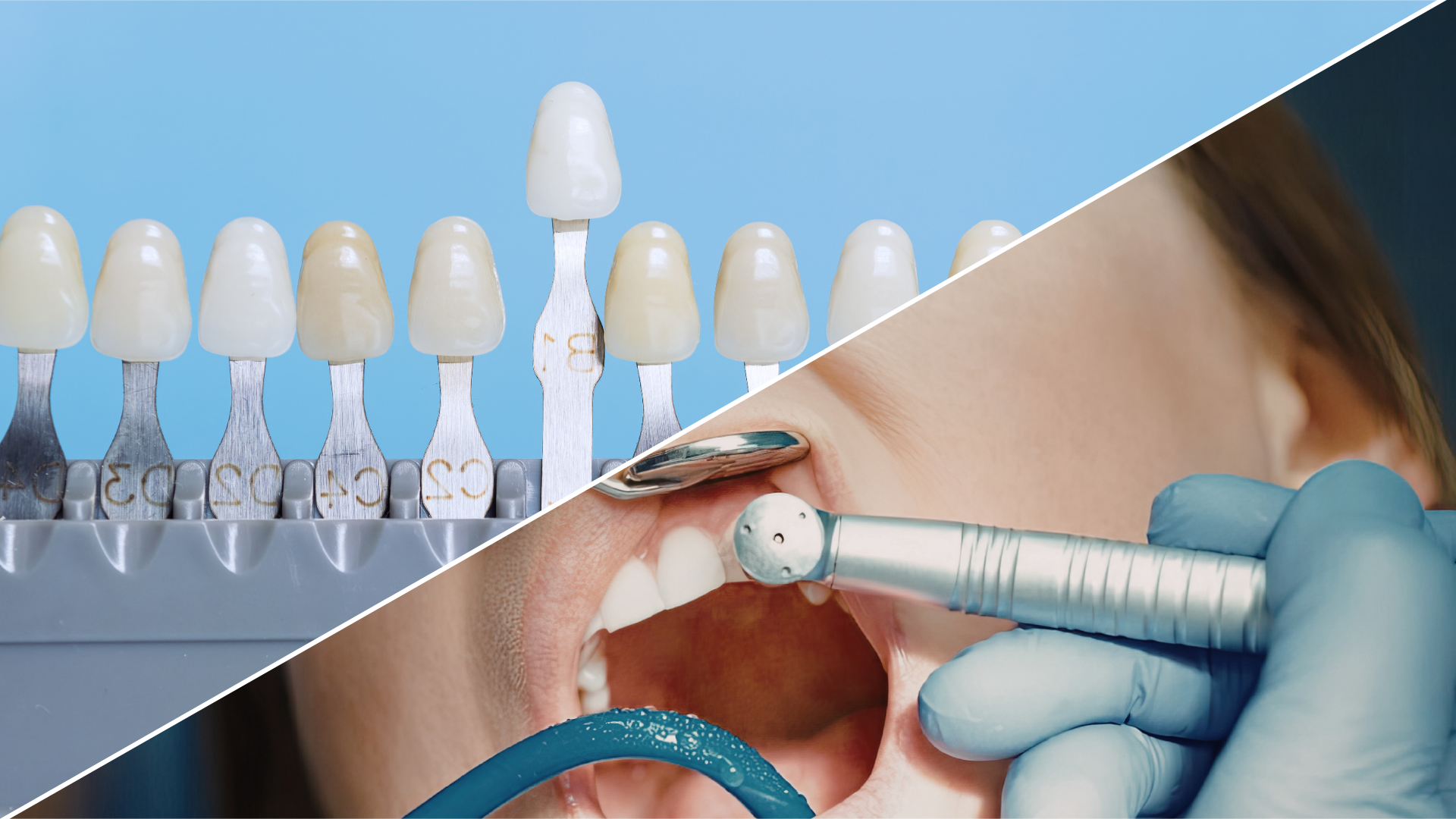

Why choosing the right pediatric dentist matters
The importance of quality early dental care cannot be overstated. The foundation for a lifetime of healthy teeth and gums is built during childhood, and dental issues that arise early often persist and impact oral health throughout life if not properly addressed. Preventive care during these formative years plays a pivotal role in minimizing the need for more complex, reactive treatments in adolescence and adulthood.
At this stage, routine check-ups, cleanings, and early intervention can prevent common issues such as cavities, misalignment, and gum disease. Modern dental technology and treatments have never been as child-friendly as they are today, making visits more comfortable and less intimidating for young patients.
The advancements in pediatric dentistry ensure that children not only receive the best care but also develop positive associations with maintaining their oral health.
Investing in preventive dental care early on helps set the stage for a lifetime of healthier smiles, fewer dental procedures, and greater overall well-being.
1. Understand the difference
A key advantage of choosing a dentist who specializes in treating children is their ability to create a welcoming and child-friendly environment. For example, at our office, kids can watch TV cartoons during treatment to help them relax, and after their visit, they can pick a toy from our treasure box as a reward. These fun touches, combined with specialized equipment for smaller mouths and anxiety-reducing techniques, ensure children feel comfortable and secure, fostering positive dental experiences and healthy habits from an early age.
2. The kid-friendly factor: creating positive dental experiences
The role of atmosphere in comfort
A child-friendly atmosphere plays a crucial role in reducing dental anxiety. Look for a dentist’s office that is designed to welcome kids, with bright colors, playful decor, and entertainment options like TV cartoons or games. This inviting environment helps children feel more at ease, making dental visits a positive experience, which can shape healthy dental habits for life.
The staff’s approach to communication
During your first consultation or visit, observe how the dental staff communicates with your child. The use of friendly, easy-to-understand language and a calm, reassuring demeanor is essential for putting children at ease. A team that explains procedures in a fun, child-centric way can make a significant difference in your child’s comfort and cooperation.
Red flags to avoid
While visiting, be mindful of red flags, such as impatience or a lack of empathy from the staff. A rushed or dismissive attitude can heighten a child’s fear of the dentist, leading to negative associations with dental care. Choosing a dentist with a caring, patient approach ensures a more pleasant experience for your child.
3. Essential services offered by child friendly dentists
Preventive dentistry
Preventive care is essential for maintaining long-term oral health in children. Look for a dentist who offers treatments like fluoride applications to strengthen teeth, dental sealants to protect against cavities, and nutritional guidance to support healthy habits. These services help prevent dental problems before they start, ensuring a healthy smile for your child.
Restorative dentistry
In case dental issues arise, it’s important to find a practice that offers restorative treatments such as cavity fillings, pulp therapy, and gentle extractions. A good dentist will prioritize the comfort and safety of your child during these procedures, using techniques designed to minimize discomfort and anxiety.
Special needs dentistry
If your child has special needs, including autism, sensory sensitivities, or developmental delays, look for a dentist experienced in offering specialized care. A sensory-friendly environment and staff trained to handle diverse needs can make all the difference in ensuring a positive dental experience for children who require extra attention.
Laser dentistry
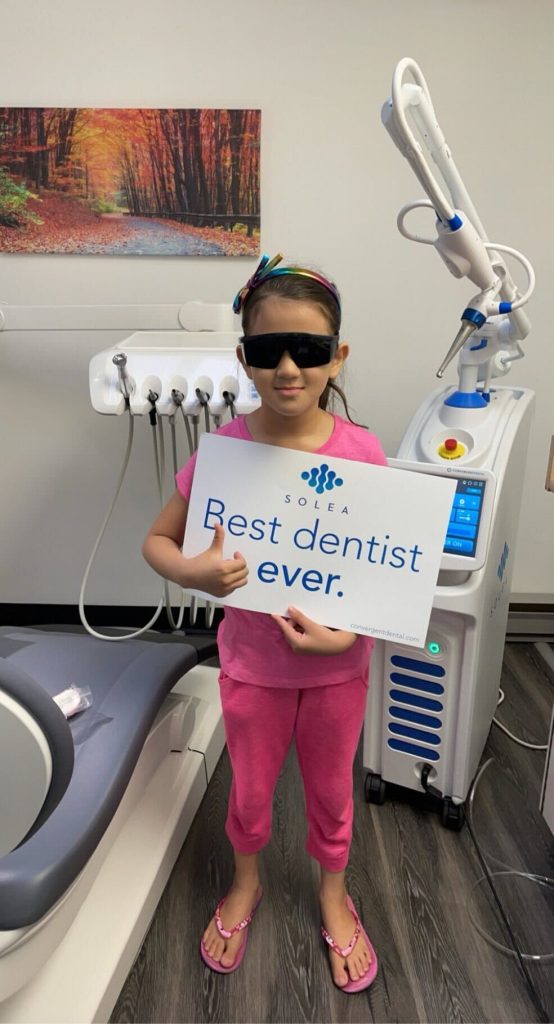
For children who may be anxious about traditional dental procedures, laser dentistry is a great option to consider. This advanced technology uses laser energy instead of drilling, allowing for a virtually painless and noise-free experience. Many children find laser treatments much more comfortable, helping reduce fear and anxiety associated with dental visits.
4. Practical considerations for parents
When choosing a dentist for your child, proximity and accessibility are key factors for busy families. Finding a dentist near your home or your child’s school can make it much easier to maintain regular appointments without disrupting daily schedules. Additionally, look for a practice with flexible hours to accommodate working parents or children with after-school activities. This ensures that dental care becomes a convenient and stress-free part of your routine.
Insurance coverage is another important consideration when selecting a dentist. Before committing, check if the dental office is in-network with your insurance plan to help reduce out-of-pocket costs. Many practices offer payment plans or financial aid to ensure that necessary treatments are affordable for all families. Asking upfront about the available payment options can help you make an informed decision about long-term care.
And of course, vetting a dentist involves asking the right questions about their experience and qualifications. Inquire about the dentist’s educational background, certifications, and years of experience, particularly with children. It’s also important to ask about office policies regarding parental involvement during procedures. Some parents prefer to be present, and understanding the dentist’s approach to this can help you determine if the practice aligns with your comfort level and your child’s needs.
5. Testimonials, reviews, and personal recommendations
How to use online reviews effectively
Start by conducting a basic Google search in your area and carefully reading reviews. If you’re having difficulty finding specific feedback about kid-friendly dentistry, use the “Cmd+F” or “Ctrl+F” function to search for keywords like “son,” “daughter,” “child,” or “kids” within the reviews of their Google My Business profile. Be sure to pay attention to both high and low ratings, as lower reviews often provide valuable insights into potential red flags that positive reviews may overlook.
When reading negative reviews, keep in mind that not all of them may be genuine. Use your judgment to identify any that seem spammy or out of place. Look for patterns in the reviews, such as how comfortable parents and children felt during the visit, whether treatments were successful, and what the overall atmosphere of the office was like. These factors can help you determine if the practice will be a good fit for your child.
Here are some examples from Eastside Family Dentistry’s Google My Business profile:


It’s always a good idea to ask for recommendations from people you trust. When a friend or family member provides a referral, there’s a much lower chance of encountering issues, as they’ve likely had a positive experience themselves. This is especially important if you are new to the area.
“It’s completely normal and encouraged to ask as many questions as needed to ensure you fully understand your child’s treatment. We understand that parents often have multiple concerns, from insurance coverage and preventive care to managing a child’s anxiety or out-of-pocket costs. We welcome these questions, as they help us build a strong, trusting relationship right from the start.”
Dr. Jan, Eastside Family Dentistry
6. Final tips: making the most of your child’s dental visits
Creating a routine of regular dental visits is essential for building a foundation of good oral hygiene for your kids. Consistent check-ups not only ensure that potential issues are caught early but also help your child become comfortable in the dental environment. Over time, this familiarity reduces anxiety and encourages a positive attitude towards dental care. By sticking to a regular schedule, you’re helping your child develop healthy habits that can last a lifetime.
To prepare your child for their first visit, use positive reinforcement and familiarization techniques. Talk to them about the dentist in simple, friendly terms, and consider using pretend play or reading stories about dental visits. These activities help demystify the process, making the experience feel more comfortable. Offering praise and small rewards after visits can further reinforce positive behavior and make future visits easier and more enjoyable.