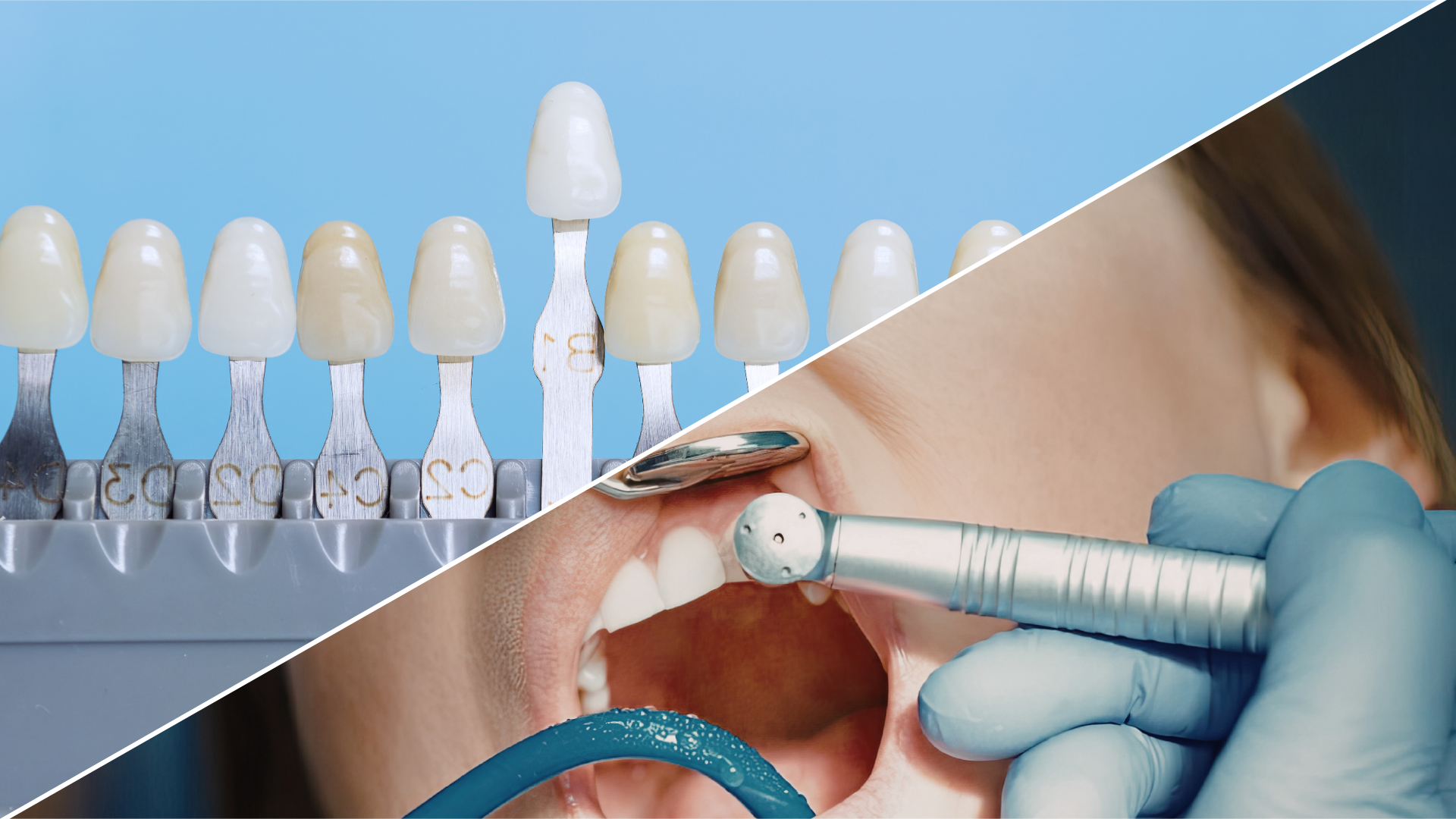

Oral health is more than just a bright smile; it’s a key part of overall well-being. The condition of our mouth, teeth, and gums doesn’t only influence how we look and feel—it also affects our entire body. Research increasingly reveals that poor oral hygiene can lead to or exacerbate serious health issues, including heart disease, diabetes, and respiratory infections. This interconnectedness underscores why a healthy mouth is essential to a healthy body.
Our mouths are home to countless bacteria, most of which are harmless. However, without consistent oral hygiene practices like brushing and flossing, these bacteria can multiply, causing infections like tooth decay and gum disease. What’s more, certain health conditions can make us more vulnerable to these infections, while oral health issues can, in turn, worsen those conditions. For instance, inflammation caused by severe gum disease may be linked to cardiovascular disease, while uncontrolled diabetes can heighten the risk of gum issues.
The goal of this article is to guide you in maintaining optimal oral health with simple, effective strategies. By protecting your teeth and gums, you’re not only investing in a healthier mouth but also contributing to your overall well-being.
Why is oral hygiene important
Oral health refers to the well-being of our mouth, teeth, and gums, and serves as a foundational element of our overall health. Key concepts in oral health include plaque, tartar, and gingivitis, each of which plays a role in dental issues. Plaque is a sticky film of bacteria that forms on teeth daily; if not removed through brushing and flossing, it hardens into tartar, a more stubborn deposit that can only be removed by a dental professional. Gingivitis, the early stage of gum disease, arises from plaque and tartar buildup, leading to inflamed and sometimes bleeding gums. If left untreated, gingivitis can progress into more serious forms of gum disease, impacting not only oral health but also contributing to other health conditions.
Dental issues such as cavities and gum disease typically begin with the buildup of plaque. When sugars in food and drink interact with plaque bacteria, acids are produced that gradually erode tooth enamel, causing cavities. If plaque and tartar are not regularly cleaned away, they continue to irritate the gums, leading to inflammation and potentially advancing to periodontitis, a severe gum disease that can result in tooth loss. This progression emphasizes the importance of daily oral care—brushing, flossing, and using mouthwash—as well as routine dental checkups.
Why is good oral hygiene important for older adults
Good oral hygiene is essential for older adults, as poor dental health can significantly impact overall well-being. With age, natural changes in the body, such as reduced saliva production and weakened gums, make seniors more vulnerable to infections and systemic diseases. Oral infections can lead to serious conditions like pneumonia and heart disease, as bacteria from the mouth can travel to other parts of the body, creating complications. Additionally, medications that cause dry mouth increase the risk of cavities and gum disease, while gum infections can raise blood sugar levels and complicate conditions like diabetes. Maintaining a routine of thorough brushing, flossing, and regular dental checkups helps reduce these risks, keeping both oral and general health in better balance as we age.
How to improve oral and dental hygiene? Advice from Dr. Jan
“For optimal oral health, it’s essential to focus on effective brushing, flossing, and regular dental checkups. Dentists recommend brushing at least twice a day with fluoride toothpaste to protect enamel and combat decay. Use gentle, circular motions and ensure that every surface of each tooth is reached. Flossing is equally important, as it removes plaque and food particles between teeth that brushing alone can’t reach. Traditional flossing is highly effective, but water flossers can be a helpful alternative for those with braces or sensitive gums.
Visiting the dentist at least twice a year for professional cleanings and exams is crucial. These checkups allow for the early detection of potential issues, ensuring your smile remains healthy and strong in the long run.“
Dr. Jan, Eastside Family Dentistry
The role of diet in oral health
Our diet plays a crucial role in determining the health of our teeth and gums. Consuming sugary foods and drinks leads to the buildup of harmful bacteria, which produce acids that erode tooth enamel and cause cavities. This process of demineralization, where acids dissolve the minerals in tooth enamel, is accelerated by frequent sugar intake. When sugars and carbohydrates remain in the mouth for long periods, the risk of cavities increases substantially.
To support dental health, incorporating nutrient-dense foods into your diet is essential. Foods high in calcium and phosphorus, such as dairy products, help remineralize tooth enamel. Leafy greens and fibrous vegetables not only offer essential vitamins and minerals but also promote saliva production, which helps wash away food particles and bacteria. Whole grains, lean proteins, and foods rich in antioxidants, like nuts and berries, also contribute to healthier gums and teeth.
On the other hand, it’s wise to limit foods and habits that can harm your oral health. Sugary snacks, acidic drinks, and smoking are known culprits in weakening teeth and irritating gums. Acidic beverages, such as sodas and citrus juices, can erode enamel over time, while smoking impairs blood flow to the gums, increasing the risk of periodontal disease. Making mindful dietary choices and reducing sugar and acidic food intake can help safeguard against common dental issues and enhance your overall oral health.
Chewing sugar-free gum and other preventive measures
In addition to brushing and flossing, some simple practices can help maintain oral health. For instance, chewing sugar-free gum, as reported by the Journal of Dental Research, can help neutralize acids in the mouth, supporting enamel health. Additionally, advancements in oral microbiome testing are enabling more personalized preventive care, allowing for treatments tailored to an individual’s unique bacterial profile, as highlighted by recent studies in Oxford Academic.
What can poor oral hygiene result in?
Poor oral health extends beyond just cavities and bad breath; it can profoundly impact the entire body, affecting everything from fertility to cardiovascular health. Increasing research highlights the link between oral hygiene and systemic health, making the maintenance of a healthy mouth crucial not only for dental well-being but also for overall quality of life. Below, we explore some of the key ways that common oral health problems influence broader health outcomes, supported by credible studies and findings.
Oral health and fertility
Oral health has surprising implications for fertility in both women and men. A study published in the Journal of Clinical Periodontology revealed that women with gum disease took, on average, two months longer to conceive compared to those with healthy gums, suggesting a clear connection between periodontal health and female fertility. Similarly, research from Genesis Fertility indicates that poor oral hygiene in men is linked to a higher likelihood of infertility. Conditions like cavities and gum disease foster the growth of harmful bacteria, which can negatively impact sperm health, ultimately reducing fertility rates.
Oral microbiome and systemic diseases
The microbiome of our mouths is home to numerous bacteria that, when balanced, support our health. However, disturbances in this oral ecosystem, known as oral dysbiosis, are linked to several severe systemic diseases. According to the British Dental Journal, there is a notable association between the oral microbiome and diseases like cardiovascular disease, pneumonia, rheumatoid arthritis, and pancreatic cancer. This connection is backed by a review in FEMS Microbiology Reviews, which underscores the oral microbiome’s significant role in human health. When oral bacteria grow unchecked due to poor hygiene, they can enter the bloodstream, leading to widespread inflammation that contributes to these chronic conditions.
Gum Disease and erectile dysfunction
Research also shows that periodontal health affects sexual health. The Journal of Sexual Medicine reported a strong correlation between chronic periodontitis and erectile dysfunction (ED), finding that men with long-standing gum disease are significantly more likely to suffer from ED. The connection is believed to stem from inflammation caused by gum disease, which can impair blood flow and contribute to vascular problems that impact erectile function.
Gum Disease and rheumatoid arthritis
Oral health and joint health are more intertwined than one might think. A study in the Journal of Clinical Rheumatology found that treating gum disease can actually reduce the severity of rheumatoid arthritis symptoms. The inflammation associated with gum disease appears to exacerbate rheumatoid arthritis, as oral bacteria can contribute to immune system responses that worsen joint pain and stiffness. By addressing periodontal disease, patients may experience notable relief from their arthritis symptoms.