
What Causes a Front Tooth Gap?
A gap between the front teeth rarely happens for just one reason. In most cases, it’s the result of anatomy, habits, or changes in oral health over time. Understanding the cause matters because it directly affects which treatment options will actually work and which ones won’t.
1. Genetics and Jaw-to-Tooth Proportions
Genetics play a bigger role in tooth spacing than many people realize. Some people naturally have teeth that are smaller in proportion to their jawbone. When there’s more space than the teeth can fill, gaps appear, most often between the two upper front teeth.
Another genetic factor involves the tissue that connects the upper lip to the gums, known as the labial frenum. In some people, this tissue is thicker or positioned lower than usual, extending between the front teeth and preventing them from coming together. When this is the primary cause, a small surgical procedure called a frenectomy may be needed before or alongside other treatments.
2. Gum Disease and Other Oral Health Issues
Oral health problems can also lead to gaps, especially later in life. Gum disease, or periodontitis, weakens the structures that support the teeth. As the gums and underlying bone recede, teeth can loosen, shift, or drift apart.
Gum disease may develop due to inadequate oral hygiene, but genetics, diabetes, immune conditions, certain digestive diseases, and nutritional deficiencies can all increase risk. Once the supporting tissues are compromised, spacing changes can happen even if the teeth were previously straight.
How Dentists Decide the Right Treatment
Fixing a gap between the front teeth isn’t about choosing a single “best” procedure. Dentists start by understanding the bigger picture behind your smile before recommending any treatment.
During a consultation, they evaluate how wide the gap is, how your teeth are shaped, and how your bite fits together when you close your mouth. Gum health and bone support also play a role. Just as important, your dentist will ask about your priorities. Some patients want the quickest cosmetic change, while others care more about long-term stability or preserving natural tooth structure.
Once those factors are clear, the most appropriate treatment becomes easier to identify.
How Dentists Fix the Gap Between the Front Teeth
Porcelain Veneers
Porcelain veneers are thin, custom-crafted shells that are bonded to the front of the teeth. They’re commonly used to improve the appearance of discoloration, uneven edges, chips, and worn enamel.
When it comes to closing a front tooth gap, veneers can be especially useful if tooth shape or size contributes to the spacing. By slightly widening the visible surface of the teeth, veneers can close the gap while creating a more balanced, symmetrical smile.
Because veneers involve removing a small amount of enamel and are considered a permanent change, they’re typically recommended for patients seeking a long-lasting cosmetic solution rather than a reversible one.
Dental Bonding
Dental bonding is a more conservative approach that uses a tooth-colored resin to reshape or enhance the teeth. The material is applied directly to the enamel and carefully sculpted to blend in with the surrounding tooth structure.
For smaller gaps, bonding can be an effective way to close the space by subtly building up the sides of the teeth. The result looks natural and can often be completed in a single visit.
Bonding doesn’t last as long as porcelain and may stain or wear over time, which is why it’s usually best for minor gaps or patients looking for a less invasive option.
Clear Aligners and Orthodontic Treatment
Orthodontic treatment remains one of the most reliable ways to close a front tooth gap, especially when spacing is part of a larger alignment or bite issue. Clear aligners and traditional braces work by applying gentle, controlled pressure that gradually moves the teeth into proper position.
This option doesn’t just address the visible gap.
It also improves how the teeth fit together, which can benefit long-term oral health and ease of cleaning. While orthodontic treatment takes more time than cosmetic procedures, the results are structural rather than cosmetic-only.
Clear aligners, such as Invisalign, are often chosen by adults who want a more discreet option, while braces may be recommended for more complex cases.
Ready to Explore Your Options?
If you’re considering closing a gap between your front teeth, the most important next step is a personalized consultation. Every smile is different, and the right solution depends on your goals, oral health, and long-term comfort. A one-on-one visit allows your dentist to evaluate your teeth, walk you through your options, and help you make a confident, informed decision.
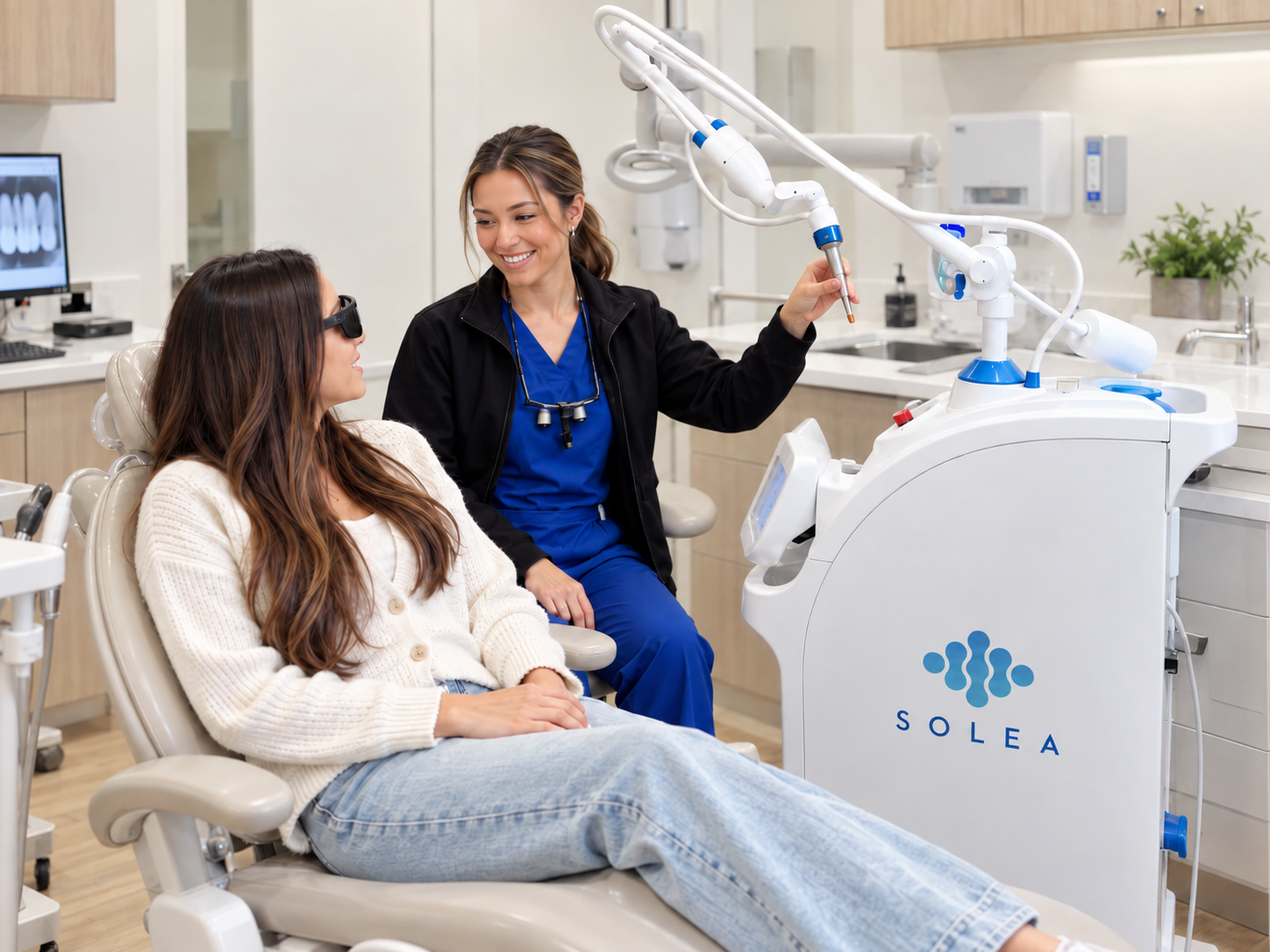
At Eastside Family Dentistry, patient comfort and quality care come first. From routine checkups to advanced restorative treatments, the clinic provides comprehensive dental care in a modern, welcoming environment. With advanced Solea laser technology, many procedures can be performed without needles or discomfort, helping reduce anxiety and making visits easier for patients of all ages.
The team also respects that your time matters. Flexible scheduling options are available, including morning and evening appointments. Most dental insurance plans are accepted, and direct billing is offered to make the process as smooth as possible.
Schedule Your Consultation
If you have questions or are ready to explore treatment options, the team is here to help.
📧 Email: info@eastsidefd.ca
📞 Phone: +1 (416) 755-4336
Reach out to schedule a consultation and take the next step toward a smile that feels right for you—without pressure, and with full transparency.