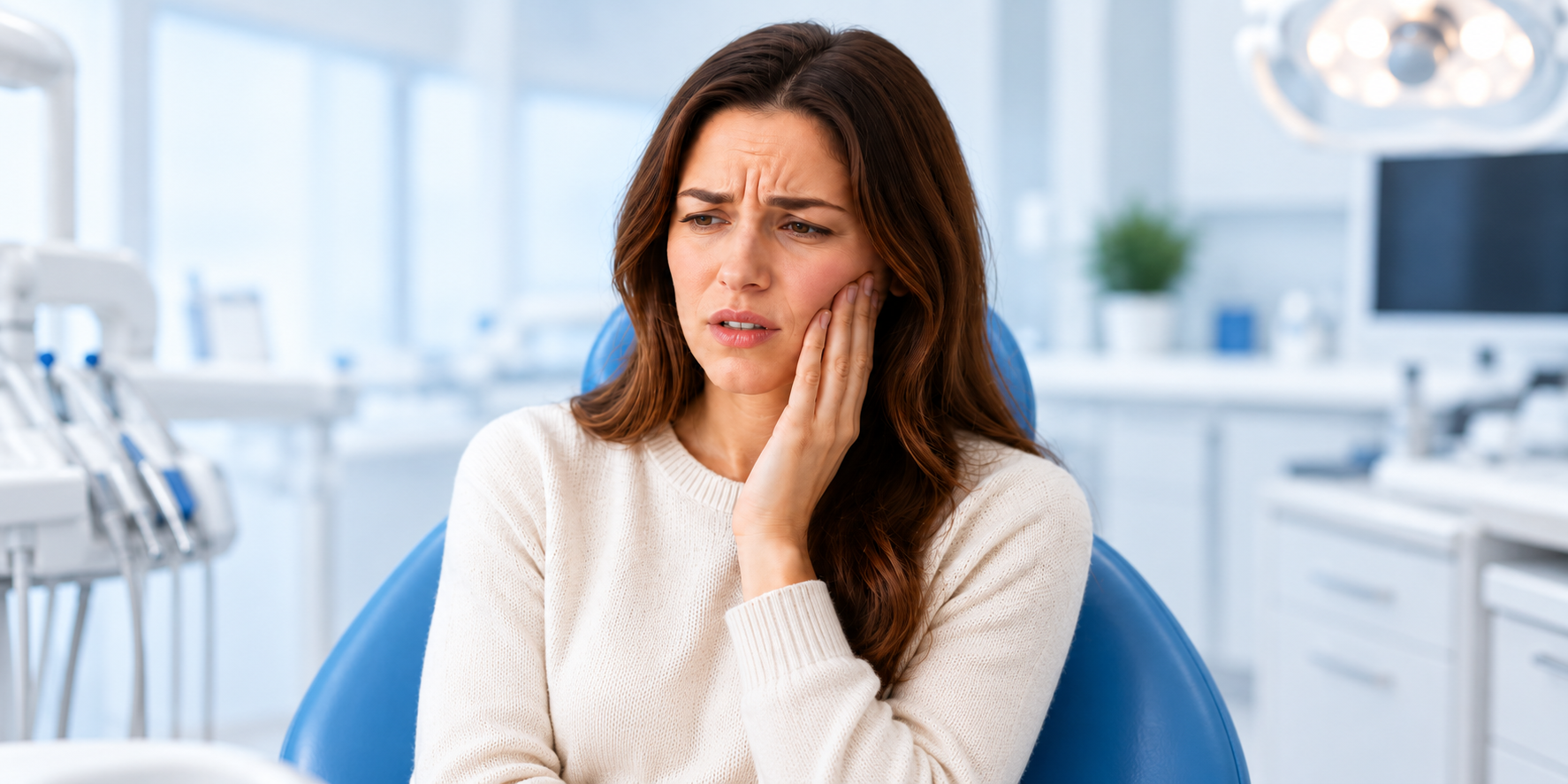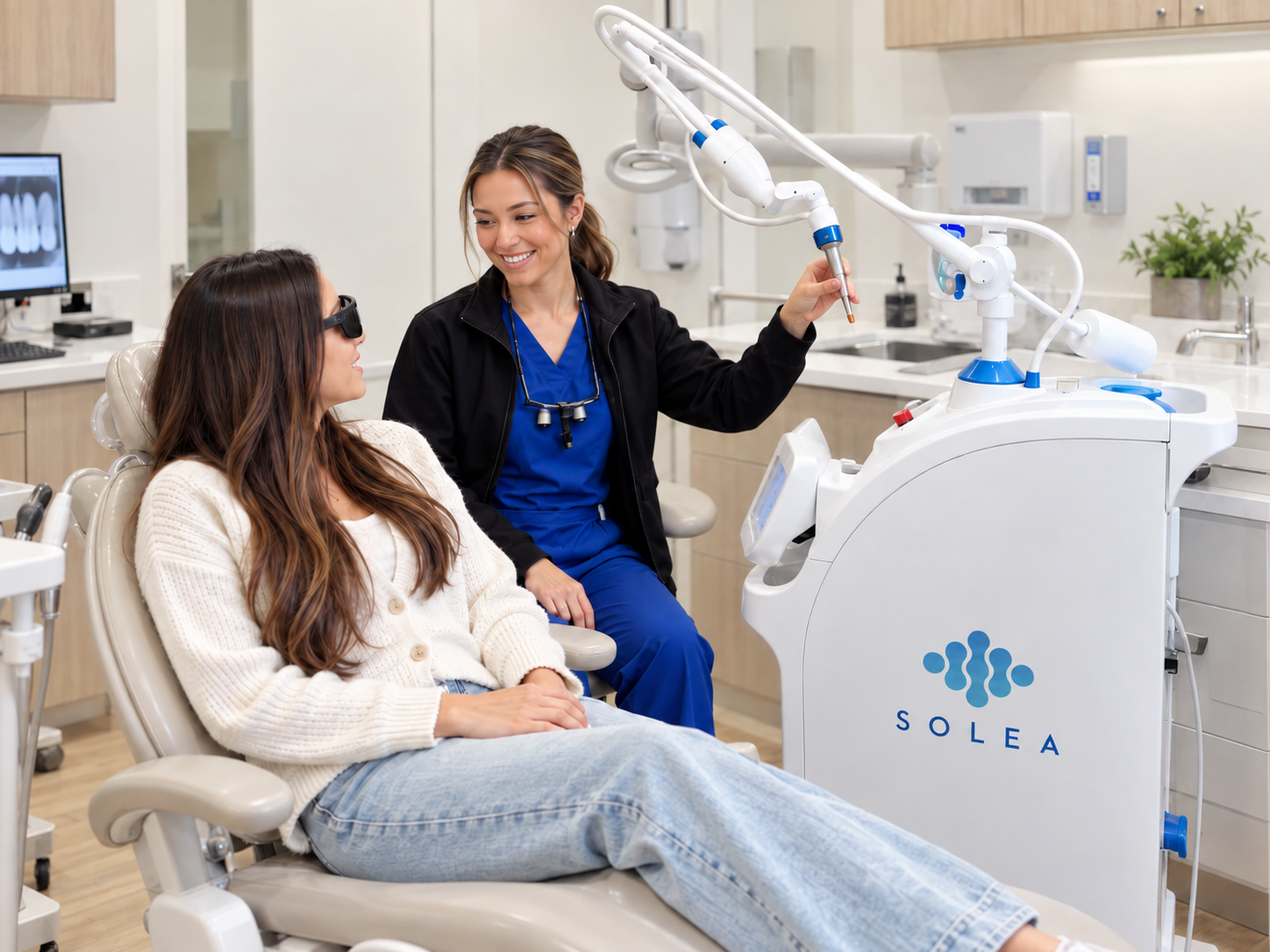

Regular dental visits are key to maintaining healthy teeth and gums. Most dentists recommend a check-up and cleaning every six months, but if you have ongoing dental concerns, more frequent visits may be necessary. Because everyone’s oral health is unique, the ideal schedule can vary. Discuss with your dentist to determine the best frequency for your visits. Regular check-ups not only help detect problems early and keep your mouth in top shape, but they also contribute to your overall well-being.
Why are dental checkups important?
Regular dental visits are essential for maintaining good oral health, and they offer much more than just a cleaning. Here’s why seeing your dentist consistently matters:
- Prevent Problems Early: Dentists can spot issues like cavities and gum disease before they become serious.
- Deep Cleaning: Professional cleanings target areas that brushing and flossing might miss, helping to prevent tooth decay and gum problems.
- Personalized Advice: Dentists provide tailored tips to improve your oral hygiene routine at home.
- Early Detection: Regular check-ups can catch potential issues early, saving you from more extensive and costly treatments down the road.
- Overall Health Connection: Oral health is closely tied to your overall health. Sometimes dental visits can reveal underlying conditions like diabetes or heart disease.
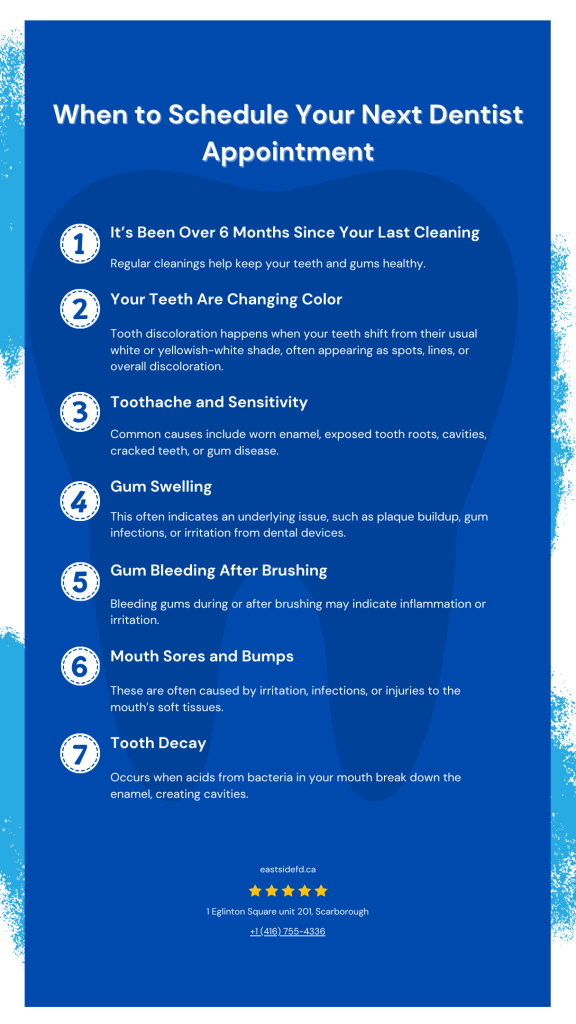
1. It’s Been Over 6 Months Since Your Last Cleaning
If more than six months have passed since your last dental cleaning, it’s time to get back on track. Regular cleanings help keep your teeth and gums healthy. Here’s why dental cleanings are important:
- Early Detection of Issues: Regular visits allow dentists to catch potential problems, such as cavities and gum disease, before they become more serious, ensuring timely and less invasive treatments.
- Fresh Breath and a Brighter Smile: Professional cleanings remove bacteria and stains caused by everyday food and drinks, leaving you with fresh breath and a visibly brighter smile.
- Overall Health Benefits: Poor oral hygiene has been linked to a range of systemic health conditions, including respiratory infections, pregnancy complications, and even rheumatoid arthritis. Maintaining good oral health supports your overall health.
2. Your Teeth Are Changing Color
Tooth discoloration happens when your teeth shift from their usual white or yellowish-white shade, often appearing as spots, lines, or overall discoloration. Some common causes include:
- Food and Drinks: Beverages like coffee, tea, and red wine, as well as certain foods, can cause temporary stains.
- Smoking and Tobacco: Both contribute to significant discoloration.
- Poor Oral Hygiene: Inadequate brushing and flossing can lead to staining.
- Genetics: Some individuals naturally have thinner enamel, which affects tooth color.
- Fluoride: Excessive fluoride exposure can lead to white spots.
- Tooth Damage: Injury or nerve damage can cause teeth to darken.
How Your Dentist Can Help?
Your dentist can help by first identifying the cause of the discoloration, whether it’s due to stains, tooth damage, or an underlying health condition. They can then recommend appropriate treatments, such as teeth whitening, fluoride applications, or dental restorations, to restore your smile. Additionally, your dentist can provide preventive tips to help you maintain your tooth color and avoid future staining.
3. Toothache and Sensitivity
Tooth sensitivity often causes sharp pain when eating, drinking, or brushing. Common causes include worn enamel, exposed tooth roots, cavities, cracked teeth, or gum disease. If you’re experiencing sensitivity, consult your dentist to determine the cause and explore treatments such as:
- Desensitizing Toothpaste: Provides relief by blocking pain signals.
- Fluoride Treatments: Strengthen enamel and reduce sensitivity.
- Dental Bondings or Gum Grafts: May be necessary for more severe cases of exposed roots.
How to Manage Tooth Sensitivity:
- Use a soft-bristled toothbrush and brush gently.
- Avoid abrasive toothpastes.
- Floss daily and visit your dentist regularly.
- Limit acidic foods and drinks, and use a straw to minimize enamel exposure.
4. Gum Swelling
Swollen gums can be uncomfortable and often indicate an underlying issue, such as plaque buildup, gum infections, or irritation from dental devices. If you notice gum swelling, your dentist can:
- Examine Your Gums: Determine the cause of the swelling.
- Perform a Deep Cleaning: Remove calculus, plaque and tartar to reduce inflammation.
- Prescribe Medication: In cases of infection, antibiotics or other treatments may be necessary.
5. Gum Bleeding After Brushing
Bleeding gums during or after brushing may indicate inflammation or irritation. Common causes include:
- Gingivitis: The early stage of gum disease caused by plaque buildup.
- Periodontitis: Advanced gum disease that affects deeper tissues.
- Brushing Too Hard: Using a hard-bristled toothbrush or aggressive brushing techniques.
- Dental Appliances: Braces or dentures may irritate gum tissue.
6. Mouth Sores and Bumps
Painful sores and bumps can develop on your gums, cheeks, tongue, or lips. These are often caused by irritation, infections, or injuries to the mouth’s soft tissues. While rinsing with saltwater can provide temporary relief, it’s important to see a dentist for proper diagnosis and treatment.
- Canker Sores: Small, painful ulcers that appear inside the mouth.
- Cold Sores: Blisters caused by the herpes simplex virus, often around the lips.
- Trauma: Injury from bites or dental appliances.
- Infections: Bacterial or viral infections can lead to sores.
How the Dentist Can Help:
- Examination and Diagnosis: Identify the cause of the sores or bumps.
- Treatment: Prescription medications or topical treatments can ease pain and promote healing.
- Advice: Your dentist will offer guidance on how to prevent future sores and maintain proper oral hygiene.
7. Tooth Decay
Tooth decay occurs when acids from bacteria in your mouth break down the enamel, creating cavities. Left untreated, decay can lead to pain, infection, and tooth loss. A dentist can:
- Check for Decay: Identify cavities during your regular check-up.
- Treat Cavities: Remove the decayed portion of the tooth and fill the cavity.
- Prevent Future Decay: Offer tips on improving oral hygiene and making healthier dietary choices.
How Your Lifestyle Affects Oral Health
The choices you make each day significantly impact your oral health and how often you may need to visit the dentist. Habits such as smoking and tobacco use, can lead to serious issues like gum disease, tooth decay, and even oral cancer. Teeth grinding can lead to severe sensitivity, TMJ pain and cracked teeth. If these habits are part of your routine, regular dental check-ups are especially crucial for detecting problems early before they worsen.
Stress and poor diet can also weaken your immune system, making it more difficult for your body to fight infections and recover from gum disease.
To maintain a healthy mouth, consider how your daily habits affect your teeth and gums. Simple practices like brushing twice a day, flossing daily, eating a balanced diet, and getting enough sleep can go a long way in preventing oral health problems. By being mindful of how your lifestyle influences your oral health, you can take proactive steps to keep your smile bright and healthy.