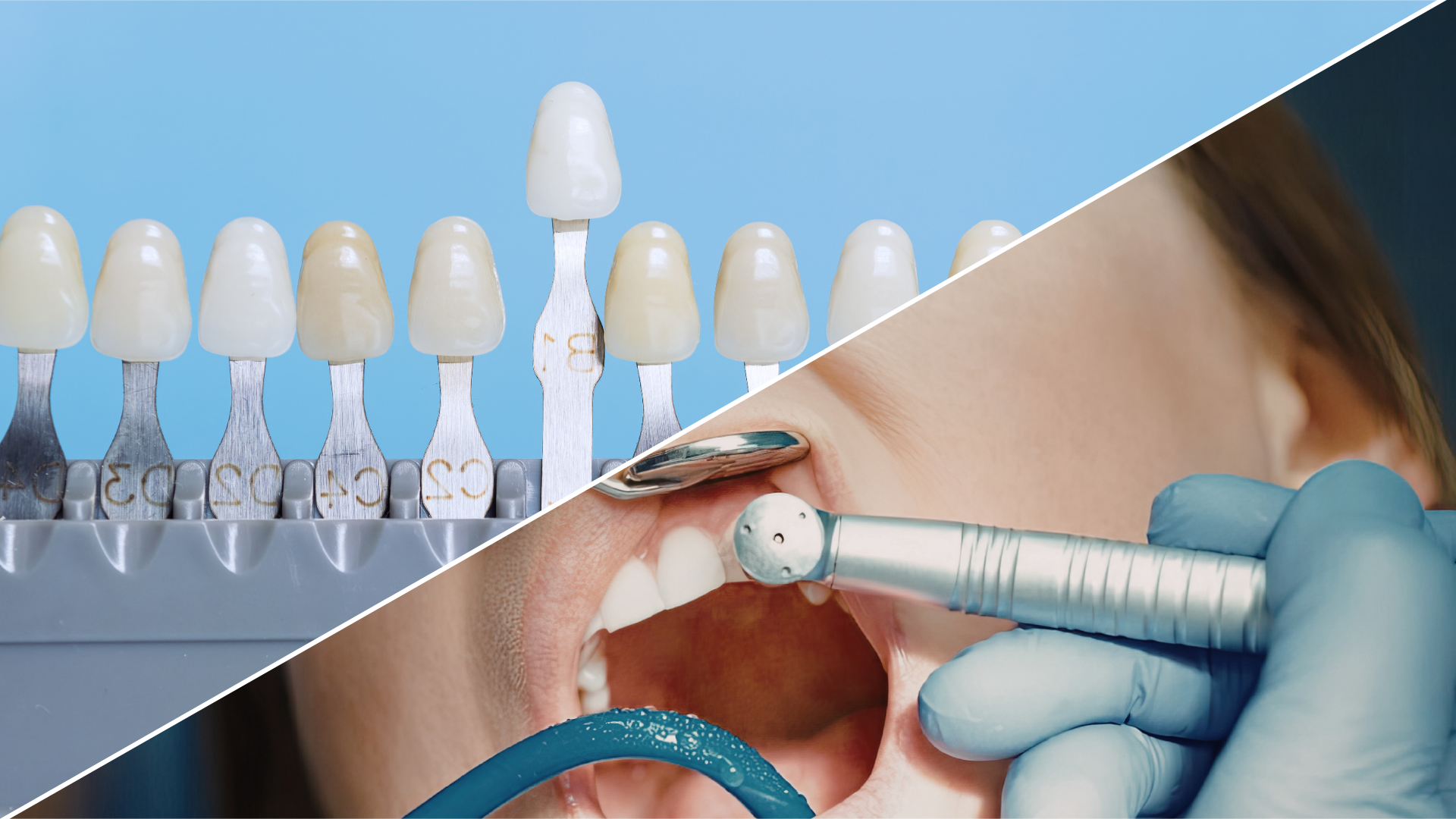

You might have gotten a recommendation to have your wisdom teeth removed, and are curious about the process. Our guide can help clarify and our dental office is available for consultations if you have further questions.
Wisdom teeth are the last to develop and usually come in around the ages of 17 to 25. Though they don’t always cause oral health issues, removal can be done to prevent health issues or as a response to a developing problem. Wisdom teeth are at the back of the mouth, and are believed to have been more useful to our ancestors who needed them to chew raw and tough foods; our diets have changed and we have less use for these teeth that sometimes trouble us.
Why Remove Wisdom Teeth?
If they’re not causing any issues, you might be fine to leave them; however, consulting a dentist and getting X-rays can help determine if you want to remove them preventatively.
People typically have wisdom teeth removed for the following reasons:
- The teeth are impacted (fully or partially under the gum).
- The mouth is painful or cannot open fully.
- Gum disease or even decay has occurred around the wisdom teeth.
- A cyst is present around the wisdom tooth.
Following your dentist’s instructions for before and after care is important to ensure a smooth and quick recovery. Ignoring advice can lead to delayed recovery times, unnecessary pain, or infection and swelling.
Before the Procedure
Preparing before the procedure can help the surgery go smoothly and lessen your hesitations. You can confirm the guide below with your dentist for your specific care during your consultation:
- Get transportation due to anesthesia and sedation.
- Schedule time off, recovery can take 1-5 days before you can work again, perhaps longer if your job is physically challenging.
- Make sure to follow instructions for fasting (often starts at midnight) before your surgery if you are going under general anesthesia and stop medication at your surgeon’s request.
- Arrange post-surgery care, especially in the case of general anesthesia since decision-making and driving can be impacted
- Discuss sedation options
What is the Removal Process Like?
Removing wisdom teeth is not usually complicated and can be over in an hour. You can expect your procedure to follow this general outline:
- You’ll be given anesthesia or sedation based on your preferences so you’re comfortable during the surgery.
- If the teeth are impacted (under the gum), the surgeon will make small cuts to expose the teeth.
- Once exposed, the tooth will be loosened carefully and lifted out of its socket. The tooth may need to be cut in sections to remove easily depending on your tooth, gum, and jawbone configuration.
- The surgeon will clean the area so infection does not occur.
- Depending on the size of the extraction site, you may receive stitches.
- Gauze will be placed at the surgical site to stem bleeding.
The dentist will help you choose an anesthesia for your surgery. This can be local anesthesia (in the area surrounding the tooth, you are awake), general anesthesia or sedation (you will be unconscious), or nitrous oxide (laughing gas to reduce anxiety while still awake).
Eastside Family Dentistry also uses a technique that promotes recovery, called Platelet Rich Fibrin (PRF). This is free for our patients and involves drawing a small amount of blood, centrifuging it to separate the PRF from other blood products and then applying it directly to the dental socket.
Caring for Your Teeth After Removal
Post-operative care is important to do so that you don’t get an infection, dry socket (when the blood clot is displaced and the bone at the site is painfully exposed) or slow healing longer than necessary. Follow the tips below to stay on top of your recovery process:
Things to Do:
- Leave the gauze in after surgery for 30 minutes or until bleeding slows. There will still be some blood but it shouldn’t be excessive.
- Rest as much as possible. Recovery can take 3-5 days, possibly longer if the extraction is complex or you have a physically demanding job.
- Use ice to reduce swelling. An ice pack in a towel can be pressed to your face in 20 minute increments of on/off as you need.
- Keep the extraction site clean with alcohol-free antibacterial mouthwash. Do not swish as it can create a dry socket.
- Take your medications as prescribed.
Things to Avoid:
- Drinking alcohol or carbonated drinks 24 hours after your surgery.
- Smoking or using straws to lessen the chances of a dry socket.
- Exercising or heavy lifting, as risk of pain and bleeding increases.
- Eating hard or crunchy foods, which can irritate or harm healing gums.
- Touching the extraction site with fingers or tongue.
It is important to stay hydrated and eat soft foods and nothing that can get stuck in or on your teeth. Stick to foods like:
- Yogurt and puddings
- Broths and soups
- Apple sauce and other purees
- Ice cream and smoothies
- Oatmeal
- Cottage cheese
- Mash potatoes
- Scrambled eggs
Resting is paramount, as your body is recovering from surgery. Avoid physically demanding activities for at least 72 hours that increase heart rate as this can worsen bleeding and swelling.
Long-Term Recovery
Recovery takes one to two weeks for most people, but you’re usually able to return to work or school in three to five days. Build back your routine gradually to get your body used to physical activity again without risking oral complications. Pain is usually worse on the third or fourth day but decreases from there.
Your oral hygiene is still important to stay on top of. For the first week, rinse (don’t swish) with warm salt water or alcohol-free mouthwash. You can and should brush and floss the rest of your teeth, but do so gently to avoid creating a dry socket.
In a typical recovery, there is some swelling, stiffness and pain around the mouth. You may even have an elevated temperature. However, signs that it’s time to contact your dentist include: a high fever, excessive bleeding, severe pain, difficulty breathing/swallowing, swelling that gets worse, or an infection at the surgical site.
Important Points to Remember
Before your wisdom teeth removal, it’s important to arrange transportation, take time off, and ensure you’re comfortable with all aspects of the procedure. After the surgery, focus on resting, staying hydrated, and carefully brushing and flossing around the surgery site. Be sure to monitor your symptoms and contact Eastside Family Dentistry if they worsen. Following all care instructions from Eastside Family Dentistry is crucial for a smooth recovery. If you have any concerns or need further assistance, don’t hesitate to reach out to Eastside Family Dentistry or schedule a consultation.