
Disclaimer
The information provided in this article, "Understanding and Treating Gum Disease: A Complete Guide to Periodontal Health," is for informational purposes only and is not intended to be a substitute for professional medical advice, diagnosis, or treatment. Always seek the advice of your dentist, physician, or other qualified healthcare provider with any questions you may have regarding a medical condition or treatment.
Never disregard professional medical advice or delay seeking treatment because of information you have read in this guide. If you suspect you have gum disease or any other health condition, consult a licensed healthcare professional promptly.
Your smile is one of the first things people notice. It can show confidence, warmth, and happiness. But if you’re not happy with how your teeth look, smiling might not feel easy. That’s where cosmetic dentistry helps.
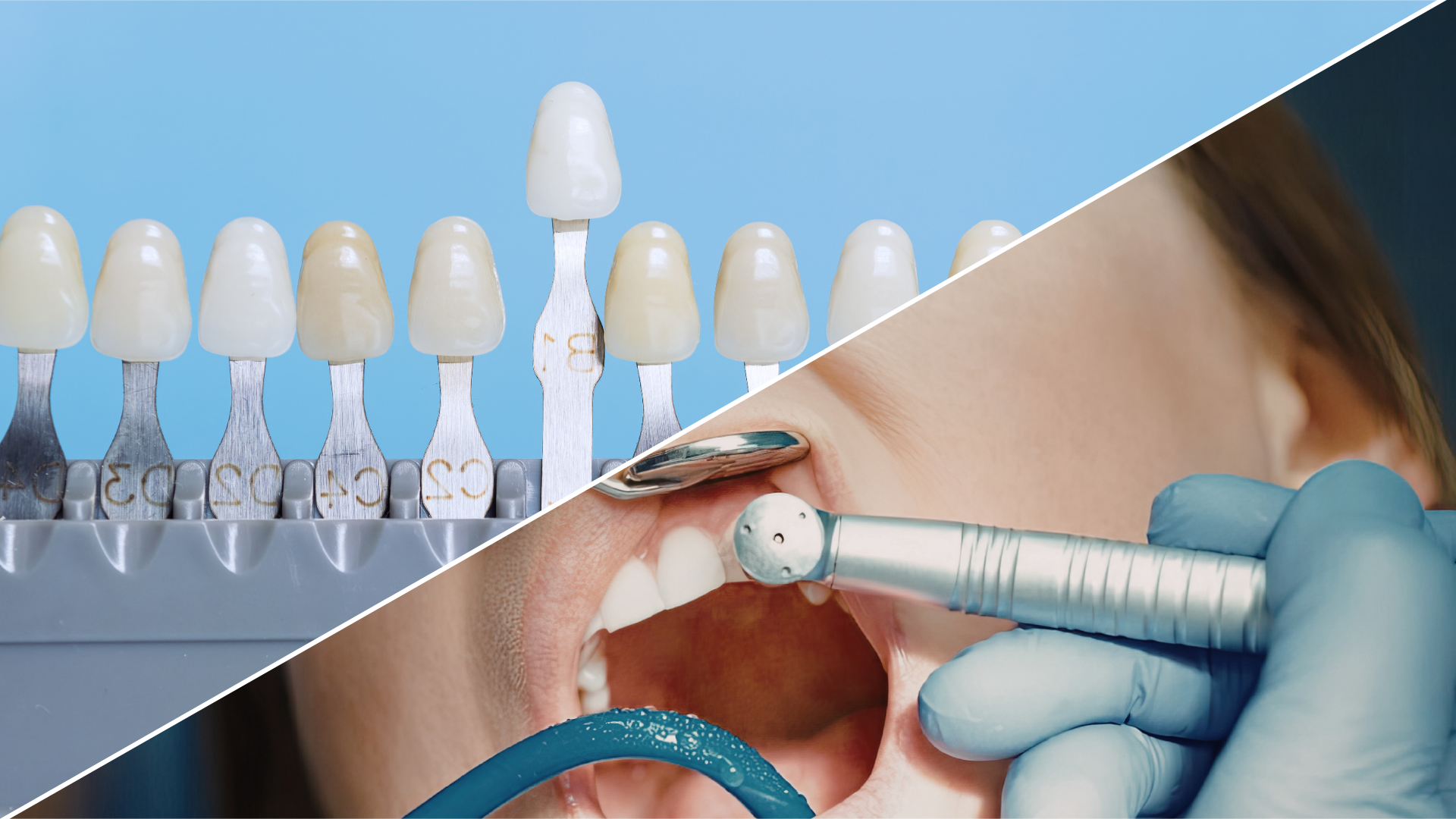
Cosmetic dentistry focuses on improving the look of your teeth and smile through treatments like whitening, veneers, bonding, and clear aligners. These modern options can fix stains, chips, and uneven teeth while keeping your smile natural and healthy.
What is cosmetic dentistry?
Cosmetic dentistry is a branch of dental care that focuses on improving the appearance of your smile, rather than just treating cavities or gum disease. It includes procedures designed to enhance the shape, color, symmetry and overall harmony of your teeth and gums. For example, you might choose cosmetic treatments if you have chips or cracks, gaps between teeth, mis-aligned or misshapen teeth, or tooth discoloration.
Common cosmetic services
- Teeth whitening – Safely lightens the shade of your teeth to remove stains and brighten your smile.
- Dental bonding – Uses a tooth-colored resin to fix small flaws such as chips, cracks, or gaps, and to reshape uneven teeth.
- Veneers – Thin ceramic shells that cover the front of your teeth to hide discoloration, chips, or uneven shapes, giving a smooth, natural look.
- Tooth contouring – Gently reshapes teeth to improve alignment, balance, and overall appearance.
- Gum contouring – Removes or reshapes extra gum tissue to reduce a “gummy smile” and create better symmetry.
Additionally, more advanced options like contouring of the tooth or gum tissue help create a more balanced and symmetrical smile – for example, reducing a gummy-smile appearance or reshaping uneven teeth.
Teeth whitening
Teeth whitening is a popular cosmetic treatment that helps brighten your smile and boost your confidence. There are different ways to whiten teeth depending on how fast you want results and what fits your budget.
Types of teeth whitening
- Professional whitening at the dentist
- Stronger whitening gel for faster results
- Can lighten teeth several shades in one visit
- Best option for tough stains
- At-home whitening products
- Whitening toothpaste, strips, gels, and trays
- Gradual results if used regularly
- More affordable but less powerful
Important things to know
- Your dentist should check for cavities or gum issues before whitening to make sure it’s safe for you.
- Not all trending methods are safe—charcoal, lemon juice, or random DIY recipes may damage enamel.
- Some temporary sensitivity after whitening is normal.
How to keep your teeth white longer
- Brush twice daily and floss every day.
- Limit coffee, tea, red wine, and other dark-colored drinks.
- Avoid smoking or vaping, which can quickly stain teeth.
- Visit your dentist for regular cleanings.
Dental veneers
Dental veneers are thin, custom-made shells that cover the front surface of your teeth to give you a more perfect smile. Made from materials like porcelain or composite resin, they are designed to match your natural teeth in color and shape. Veneers can hide cracks, chips, gaps, stains that won’t lighten with whitening, teeth that are too small or misshapen, and other cosmetic issues.
The process usually involves two visits
- During the first visit a small amount of enamel is removed so the shell fits smoothly
- At the second visit the veneer is permanently bonded to the tooth
While veneers don’t strengthen a weak tooth the way a crown would, they are a strong cosmetic solution that can last many years when well cared for. It’s important to make sure your gums and teeth are healthy before getting veneers, as they work best when there is no active decay or disease. Overall, dental veneers offer a reliable way to refresh your smile, giving you a brighter, more balanced, and natural-looking appearance.
Dental bonding
Dental bonding is a quick and effective cosmetic dental treatment where a tooth-colored composite resin is applied to your teeth to improve their appearance. During the procedure, your dentist will pick a resin shade that closely matches your natural tooth color and then lightly roughen the surface of the tooth so the material sticks well. Next the resin is sculpted onto the tooth — hiding chips, cracks, small gaps, or stains — and hardened with a special light. Because the procedure is minimally invasive, it often can be completed in just one office visit and usually requires little or no anesthesia. Dental bonding is less costly than many other cosmetic dental options and lets you preserve more of your natural tooth structure.
Good candidates for bonding typically have minor cosmetic concerns and healthy teeth and gums. If you have significant decay, large cracks, or gum disease, your dentist may recommend a different treatment. With proper care — brushing, flossing, avoiding habits like biting hard objects — dental bonding offers an attractive, affordable way to improve your smile in a single visit.
Tooth contouring
Tooth contouring, also known as enameloplasty or dental reshaping, is a simple cosmetic dental procedure that removes very small amounts of enamel to change the shape, size or surface of a tooth. It’s aimed at fixing minor imperfections—such as a slightly long tooth, one that looks pointy, rough edges, small chips or a tooth that doesn’t match the others—and bringing more balance and harmony to your smile. Because only a tiny amount of enamel is removed, this treatment is minimally invasive and can usually be completed in one office visit without needing anesthesia. Before the procedure, the dentist will check that your teeth and gums are healthy and strong, because enamel doesn’t grow back once removed. One of the biggest advantages is its speed and simplicity: compared with more extensive cosmetic treatments like veneers, tooth contouring is quicker, less expensive, and often requires no recovery time. While it’s not a solution for major alignment or bite issues, it’s a great option when you want subtle improvements—think smoother edges, more symmetrical teeth and a more confident smile. Just remember: because enamel is permanently changed, the procedure should always be done by a qualified dentist.
Gum contouring
Gum contouring (also called gum reshaping) is a cosmetic dental procedure that removes excess gum tissue and evens out the gum line so your smile looks more balanced. It’s often chosen by people who feel their teeth look too short or notice a “gummy” or uneven smile.
We perform gum contouring using the Solea laser, which makes the procedure fast, gentle, and highly precise. Before we begin, we simply examine your gums and determine the exact areas to reshape. During the procedure:
- The Solea laser carefully removes and sculpts the gum tissue
- Most patients do not need anesthesia at all
- There is no pain during treatment and minimal bleeding
- Patients can go right back to work the same day—no downtime
After treatment, the gums may look slightly uneven or “bumpy” for a couple of days as they settle into their new shape, but there is typically no soreness and no recovery period. Because the laser seals the tissue as it works, healing is quick and comfortable.
The results are long-lasting and can significantly improve how your smile looks—teeth appear longer, more even, and more proportional. If you’re unhappy with your gum line, Solea-assisted gum contouring can be a simple, painless way to boost confidence in your smile.
Things to consider before cosmetic treatment
Before starting any cosmetic dental treatment, it’s important to plan carefully so you can achieve the best and most realistic results. Cosmetic dentistry is more than just choosing a procedure — it involves building a trusted relationship with your dentist and understanding how the treatment will work long-term.
Choosing the right dentist
- Look for a dentist with cosmetic training and strong experience.
- Ask to see before-and-after photos of real patients to make sure their work matches the style you want.
- Pay attention to how they communicate — you should feel comfortable asking questions and expressing concerns.
Discussing your goals, budget & care
- Be clear about what improvements you want so your dentist can recommend the best options.
- Ask for a breakdown of costs for each treatment and check if any part may be covered by insurance.
- Learn how long the results will last and what maintenance is required to keep your smile looking good.
Understanding realistic expectations
- Remember that not every change can happen instantly or in one visit.
- Some cosmetic fixes may have limitations, depending on your teeth and gum health.
- Ask about alternative procedures and what happens if adjustments are needed later.